Description
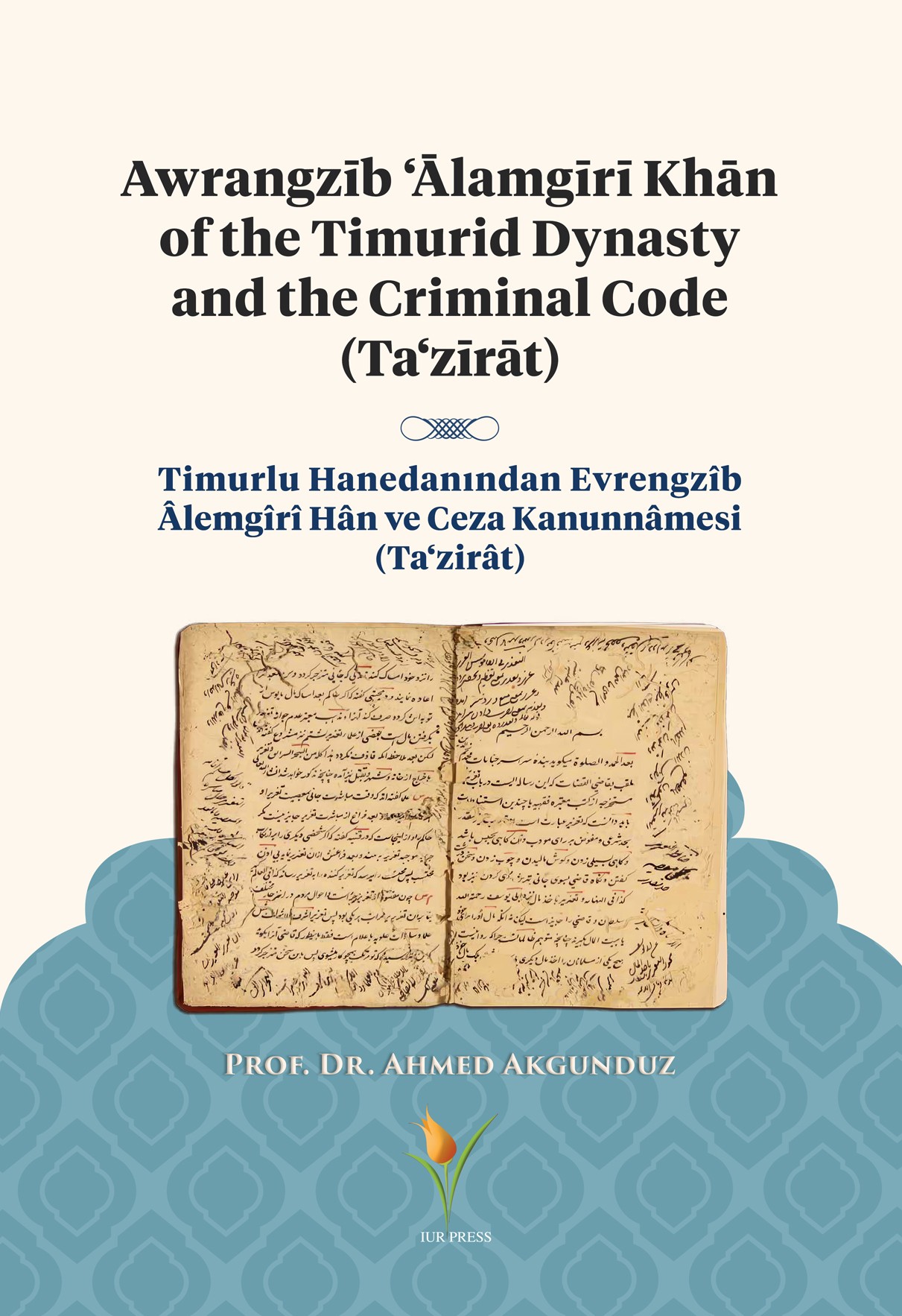
Evrengzib Alamgir Khan (1658–1707) was the most powerful Baburid ruler and a devout Muslim. Under his authority, three major
legal works were produced: the Fatāwā-i ʿĀlamgīrī, the Administrative Code, and the Taʿzīrāt, all aiming to systematize Islamic law in governance.
Islamic states primarily codified existing fiqh rulings rather than legislating independently. The Fatāwā-i ʿĀlamgīrī represents the most comprehensive Hanafi legal compilation in South Asia and later influenced colonial legal practice.
Taʿzīr punishments address crimes without fixed penalties in Sharīʿah and are determined by state authority. Awrangzīb’s Taʿzīrāt parallels Ottoman penal codes and formalized discretionary punishment.
The Timurid Dynasty is presented as a continuation of the Timurid dynasty founded by Emir Timur. Babur established the Timurid Dynasty in India in 1526. The Taʿzīrāt manuscript, written in Persian and preserved in Iran, is believed to be the only surviving copy and reflects a systematic codification of taʿzīr punishments.
Taʿzīr includes punishments for sinful acts, public order violations, and minor offenses. Punishments range from admonition to
imprisonment and capital punishment, aiming to preserve public order.
Taʿzīr punishments must align with Sharīʿah, be proportional, deterrent, and equally applied. Judicial discretion is limited by ethical and legal principles.
Both Babur state and Ottoman systems adopted the Hanafi madhhab, codified Sharīʿah through fiqh texts, and regulated taʿzīr via
qanunnāmes, reflecting a shared Islamic legal tradition.
The Taʿzīrāt Qanunnāme of the Timurid Dynasty demonstrates a sophisticated Sharīʿah-compliant criminal law system comparable to the Ottoman model.